
Before we go any further, allow me to get a little bit personal.
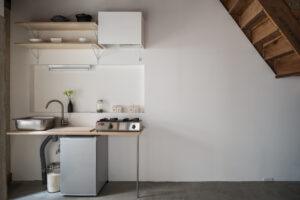
Friend, curator, and founding director of ASAKUSA gallery, Koichiro Osaka (大坂紘一郎) and I go way back. In 2004, when I was a fresher at the University of Bath, we used to share the same dormitory kitchen, where we met for the first time. I was chopping and preparing dinner, living right next to the kitchen, which had probably woken Koichiro and alarmed him: it’s time for breakfast. Isn’t that what people always say, “food brings people together”, be it breakfast or dinner.
We all face multifarious types of issues at different stages in life. During our late teens and early twenties, we were all puzzled by our family, relationships, future uncertainty and of course, grades, and probably some other stupid, trivial stuff if you turn around and look back now. It’s a period of relentless internal negotiation, extremely volatile, sensitive and vulnerable. I recall reading an interview Koichiro did a few years ago in which he said that, as a kid growing up, when you have to be crushed and confined within social norms, when you have to experience judgement and denunciation constantly, this vast chasm between yourself and others never ceases to fade, that you are never taught by schools or parents how to comb through and express your own negative emotions and dissatisfactions, and that not being understood by peers and family is indeed, an unfortunate and saddening thing.
I agree.
We’ve all heard the stories, and most of us are more than likely to share this experience in our university years — getting wasted with your mates in a student hall kitchen, shouting and crying over something, probably stupid and insignificant too. Koichiro and I were slightly different. Yes, we had our fair share of alcohol, but it was mostly conversation in that filthy kitchen, quite meaningful ones, mind you. I’m fairly certain that now he wouldn’t remember and consider it as such, but for someone like me who was far from home and family during a confusing period of time in life, I was glad and also fortunate to have someone like Koichiro there, guiding me in his own way back then. Although I wouldn’t describe him as a flamboyant and particularly cheerful character, this low-key Hokkaidō-born intellect’s ideologies and stellar insights, sometimes wordy but always critical, fascinate me to this very day, and I’m still grateful for the words, compassion, and wisdom offered by someone who was, in all likelihood, struggling probably even more than I was.
With a captivating and somewhat peculiar CV to boast, Osaka has been driven by a quest for a deeper level of understanding, or even an obsessive yearning to comprehend the multiplicity of himself and this guerrilla-like world around him. His desires and curiosities have led him to reside in some strange corners of the world, while working with renowned cultural institutions across different countries. Following an eight-year adventure in London and Berlin, he initiated ASAKUSA in Tokyo in 2015, a gallery space that centres its attention candidly on academic, social and political agendas — not the most common kind of contemporary art gallery out there.
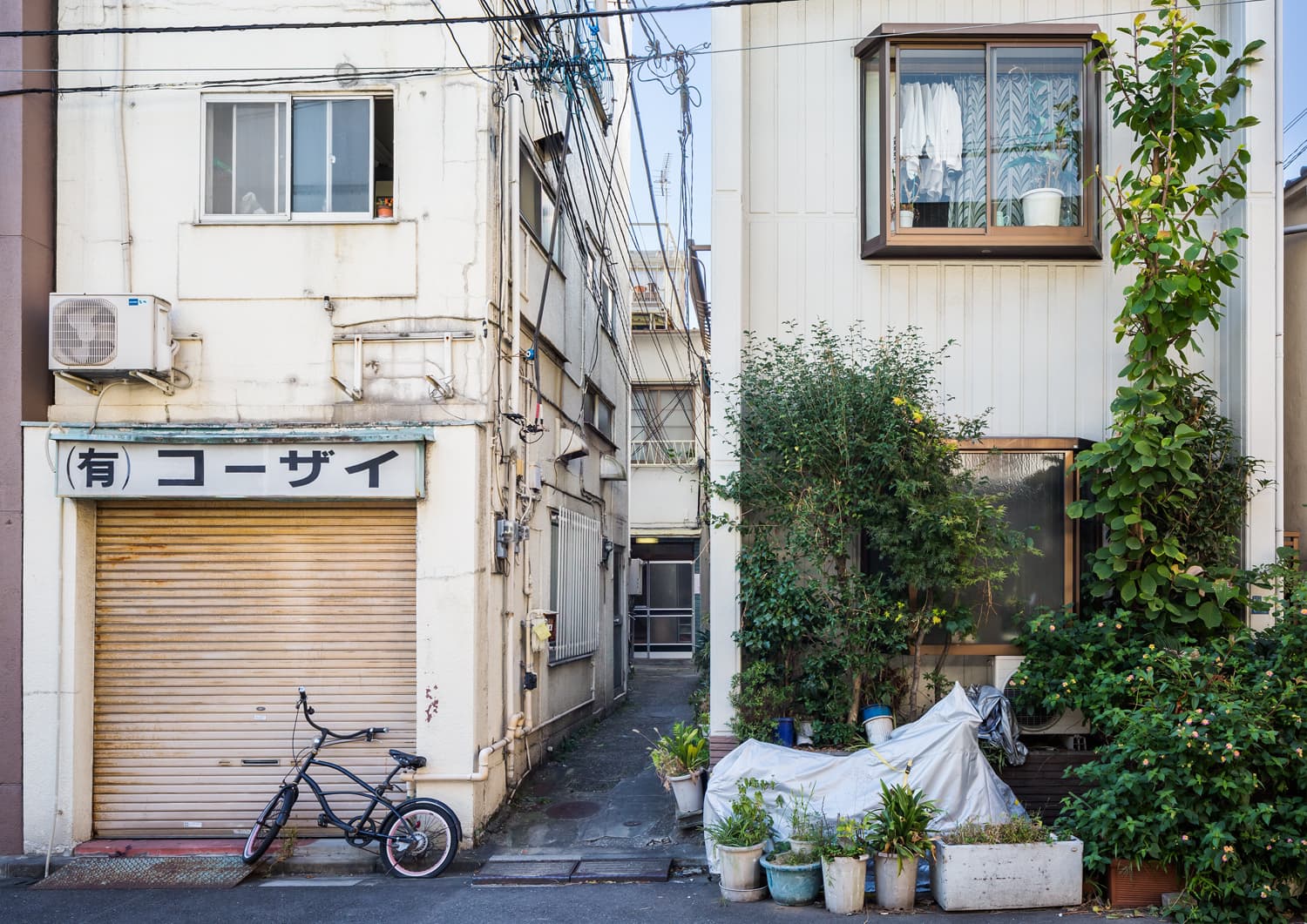
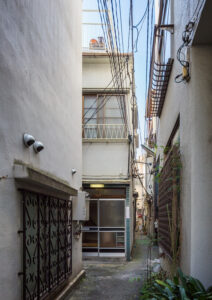
Asakusa (浅草) in Tokyo is an area well known for its World Heritage status, along with all the traditional vocabularies attached to it, overrun by domestic and foreign tourists in rental kimonos or yukata, posing for tedious photos. The gallery, on the other hand, is nestled in a secluded and peaceful residential part of town, about ten minutes away from all the hustle and bustle, quietly staging its intervention and demonstration, speaking out against the norms — again, fairly peculiar.
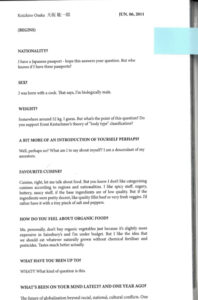
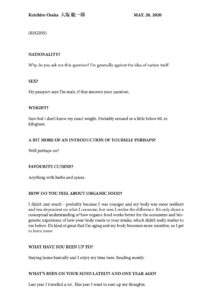
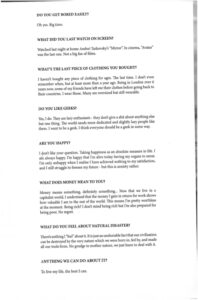
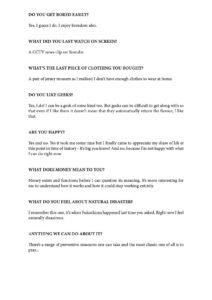
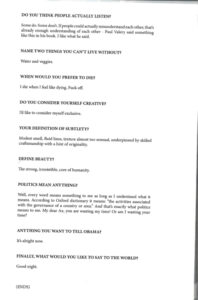
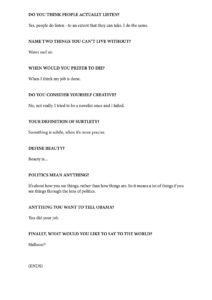
Rewinding the clock once more back to 2011, when I was working on a magazine project at university, we conducted a brief Q&A session together. Quickly dialling forward to 2020, with the world having gone to shit due to the COVID-19 pandemic, I fired the exact same questions at him once again, 10 years later, curious to observe his responses. We dived deeper into some of the questions during — yes, you guessed it — a Zoom meeting, at a time when the state of emergency had just ended in Japan (May 2020). Some answers may seem irrelevant and tangential, but are somehow oddly connected and all intertwined. You will find the second part of our conversation here.
Sincerely.
Credits
Photography: Courtesy of ASAKUSA